Hook-and-loop on a garment is a closure, not a decoration. It replaces a snap or a button where the wearer wants a range of fit, a glove-friendly open, or a silent close. It also snags knits, collects lint, and scratches if the hook was chosen for a rucksack. The application picks the hook. The photo does not.
TrimGem samples apparel tapes as part of the closure pack: plackets, cuffs, pocket flaps, adjustable tabs. Outdoor and medical constructions are available when the program is those programs.
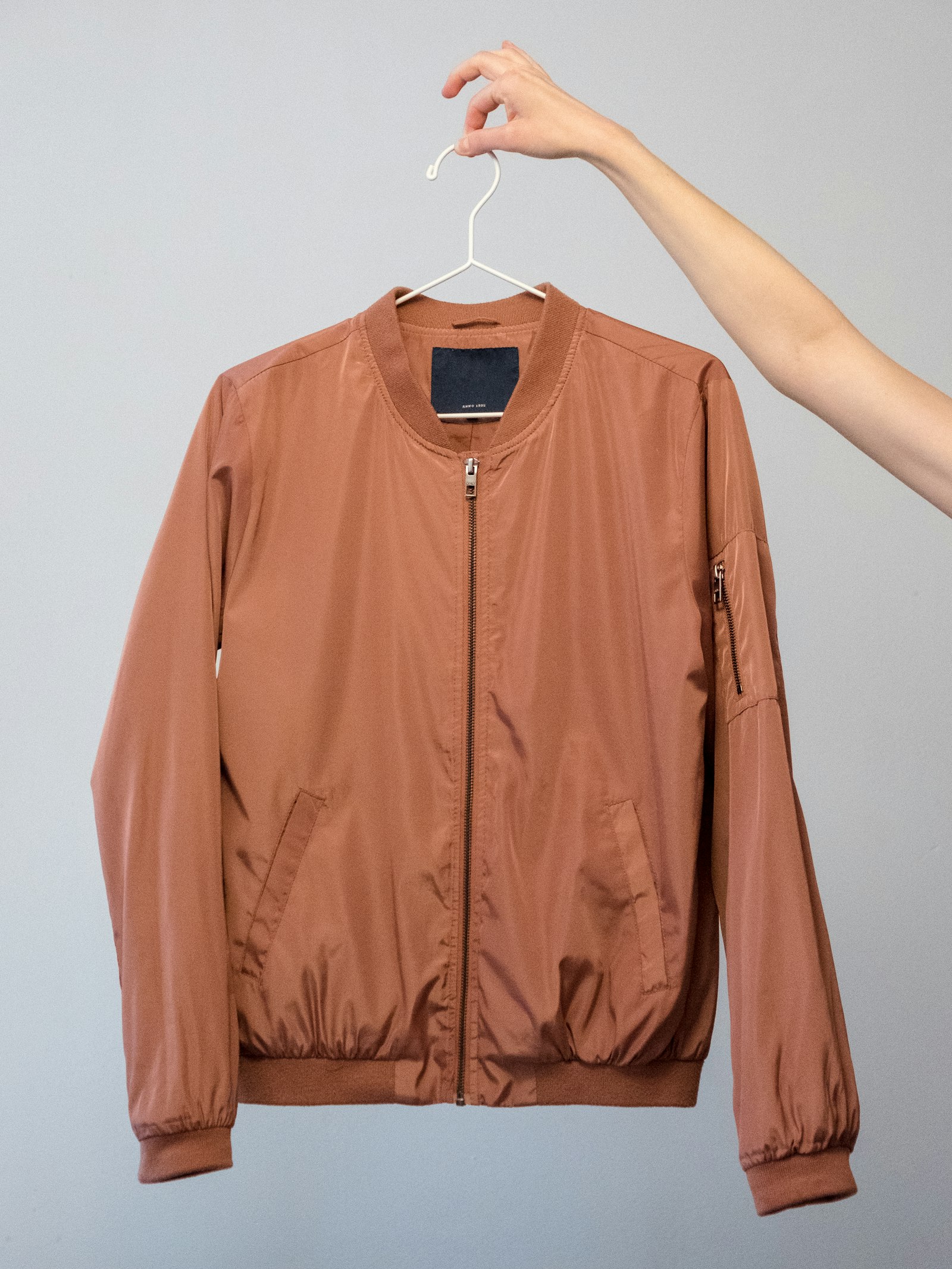
Apparel and fashion
Use sew-on tape. Wash will argue with most adhesives.
Typical placements: storm flaps, cuff tabs, hood volume, pocket security, removable trims, kids’ bibs, shoe straps. Polyester or nylon/poly blends are the volume fibres; all-nylon when the open/close count is high.
Watch:
- Snagging. Woven J-hooks eat fine knits and viscose scarves. Moulded hook or a covered placket is the usual fix.
- Noise and bulk. A 50 mm military tape on a silk blouse is a costume.
- Lint. Loop loads with fleece. Design a hide or accept a grey loop by season two.
- Colour. Piece-dyed nylon can be matched; cheap polyester may be a standard card. Crock onto a light shell is a return.
Adjustable tabs need enough overlap for the size range and enough engagement area for shear. A 10 mm × 15 mm coin of hook on a coat cuff is a styling decision that will open in the wind.
Outdoor
Pack hip belts, sternum straps, tent stuff-sacks, sleeping-bag draft collars: UV and wet strength matter. Specify a UV package and a peel remaining after light (see the peel/shear note). Wide, high-tenacity woven nylon is normal. Waterproofing the tape is a coating claim — prove peel after wet conditioning; do not assume.
A loaded belt is a shear problem. A stuff-sack flap is a peel problem. Use both numbers.
Infant and next-to-skin
Woven hook is a sharp article. Infant coveralls, diaper tabs and many kids’ cuffs should be moulded hook with a soft loop. OEKO-TEX STANDARD 100 Class I is a reasonable certificate request, not a marketing sticker.
Hook that can lift a loop off and become a small part is a kidswear conversation (attachment of the tape to the garment, not only peel of hook from loop).
Medical and rehab
Orthopaedic wraps, post-op binders, BP cuffs, pressure garments: the hook must not lacerate skin. Mills de-sharpen or use moulded hook; loop is a full-nylon soft pile. Biocompatibility (ISO 10993 skin irritation at least), a wipe-down story (alcohol, iodophor) that does not kill peel, and sometimes a silver or other antimicrobial finish with a standard named.
This is still hook-and-loop physics. It is not a device 510(k) because the mill said “medical.” If you are building a device, your regulatory file is separate from the trim quote.
Conductive and “smart” asides
Silver or copper yarns in a tape can carry a signal. That is a specialty SKU with a resistance after wash. Most apparel programs do not need it. Cable-wrap tapes with a logo are a packaging SKU.
Buying without buying a recall
Low price on hook-and-loop is usually recycled polymer, lower hook density, skipped heat-set, or a glue pretending to be sew-on. Cycle life collapses. Recycled (GRS) nylon tapes exist at honest strengths — Coats EcoVerde Connect-type products are the existence proof that recycled polyamide can still be specified to 10 000 cycles and OEKO-TEX Class I. Recycled is a claim with a certificate. “Cheap green” is not.
Write placement, hook type, sew-on, peel/shear targets, wash, and wearer (adult / infant / patient). Then pick the tape. Do not pick a pack tape for a cuff and hope the designer’s illustration will hold in the wind.