A garment does not want one interlining. A collar wants stiffness that survives a wash. A chest wants spring and a curved hang. A waist wants a board that does not roll. An edge wants a stay tape that stops stretch. Using a shirt-collar HDPE on a jacket front is how a coat becomes a box. Using a soft knit fusible in a collar is how a collar becomes a rag.
TrimGem samples by zone. The mill SKU should follow the part.
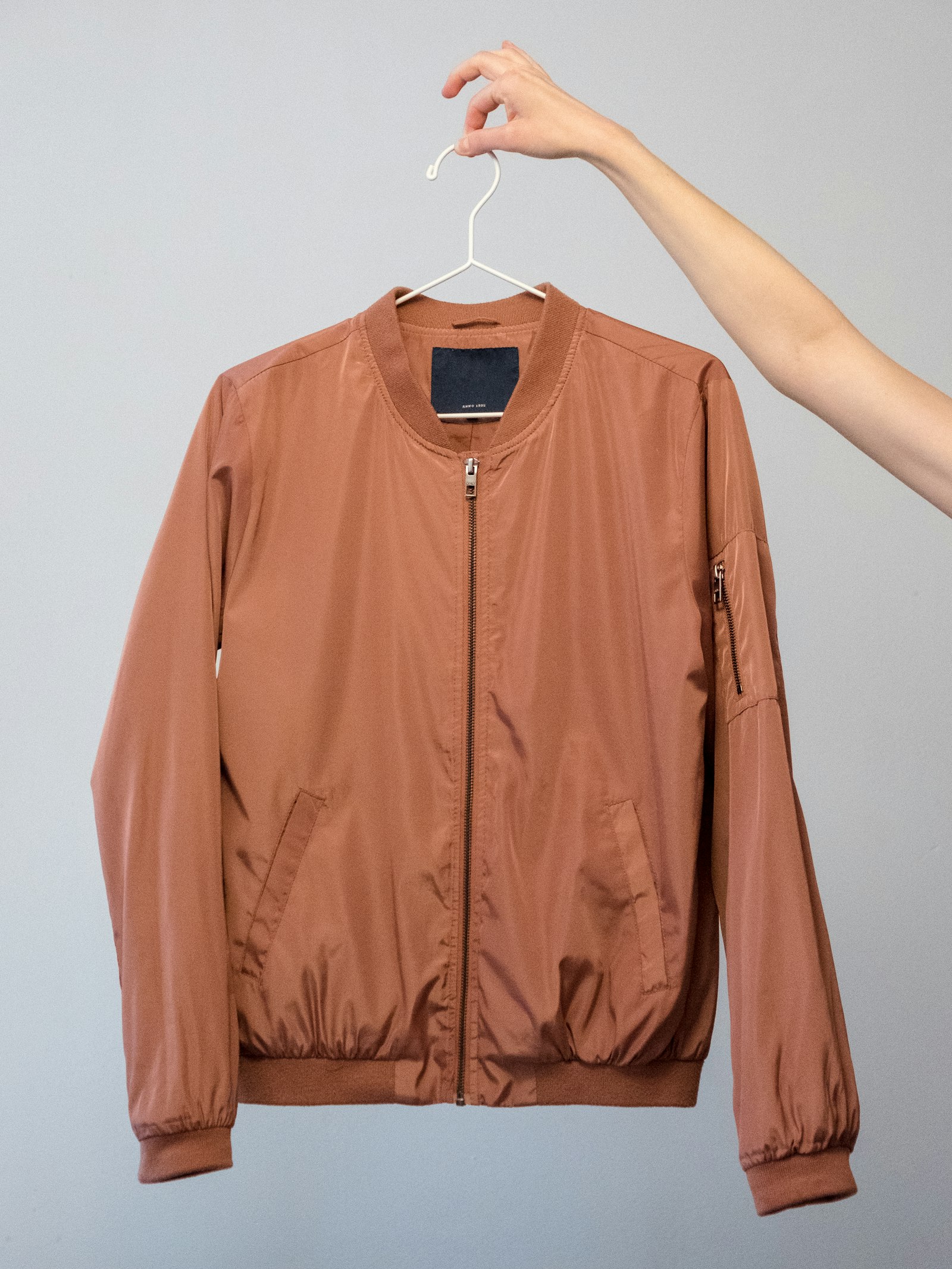
Collar, cuff, placket
Shirt programs: HDPE or PE fusibles on a woven or firm nonwoven, high wash remaining, a peel floor (see fusing note). The point is a collar that stands after 20 washes, not a silky hand.
Fashion collars on jackets: a lighter woven or knit fusible, PA if dry-clean, colour matched so a lifted collar does not flash white. Bleached cotton sew-in still appears as a traditional collar and cuff canvas.
Stand collars and mandarin bands want more stiffness than a shirt leaf. Specify two weights if the leaf and stand are different.
Chest, lapel, shoulder
This is tailoring. Hair canvas (horsehair weft, wool warp — mawei) is springy, open, hard to crease, the high-end chest. Heat-set chest pieces hold a pad. Charcoal canvas (yak, wool, hair blends, grey/black) is firmer, used in chests and lapels on better jackets.
Construction routes:
- Fusible — industrial: coated interlining pressed to front, lapel, collar, cuff, pocket. Fast. Can read slightly dead. Peel can age into bubbles if the window or the adhesive was wrong.
- Half-canvas — fusible in the lower front, haircloth pad-stitched in the chest/lapel. Mid. Still has a fusible ageing risk below.
- Full canvas — no fusible on the front; horsehair and pad-stitch. Slow, expensive, best hang and breathability.
Cotton coarse canvas still shows up as body and shoulder reinforcement on work and costume. Fine cotton as collar and cuff.
Waist, hem, pocket, fly
Waistbands: firm woven or specialised waistband fusibles; stiffness is the feature. Pocket mouths and flaps: small nonwovens or light wovens to stop stretch. Hems: a light fusible or a sew-in tape. Trouser hems and kick tapes are still tapes, not chest canvases.
Stay tape (edge tape)
A narrow stay on a stretchy or bias edge (lapel roll, pocket, shoulder seam, knit neck) stops growth. Unbleached fine cotton sew-in is traditional. Fusible stay tapes exist for speed. The job is zero stretch in the length, not loft. Wrong: a stretch knit fusible used as a stay. Right: a stable tape, shrunk, sewn or fused without rippling the edge.
Padding is not interlining
Shoulder pads, chest felt and sleeve heads are padding / shaping fills. They keep a shape in thickness. Interlining keeps a shape in the plane. Spec them separately. A pad that collapses is a foam or wool problem, not a PA-dot problem.
Selection rules that still work
- Match colour, mass and drape to the shell (flannel ≠ silk ≠ jersey).
- Match stretch. Elastane shells need knit or stretch fusibles.
- Match care. Wash garments need wash-rated adhesives (often PES/PE); dry-clean suits often PA.
- Match zone. Hard at collar and waist; springy at chest; nothing extra where the cloth should float.
Write part name, base, adhesive, gsm, fuse or sew, and care. One roll “for the jacket” is not a spec. The jacket is several specs that happen to share a colour.